Hidden Asbestos Dangers in Older Homes and Renovations

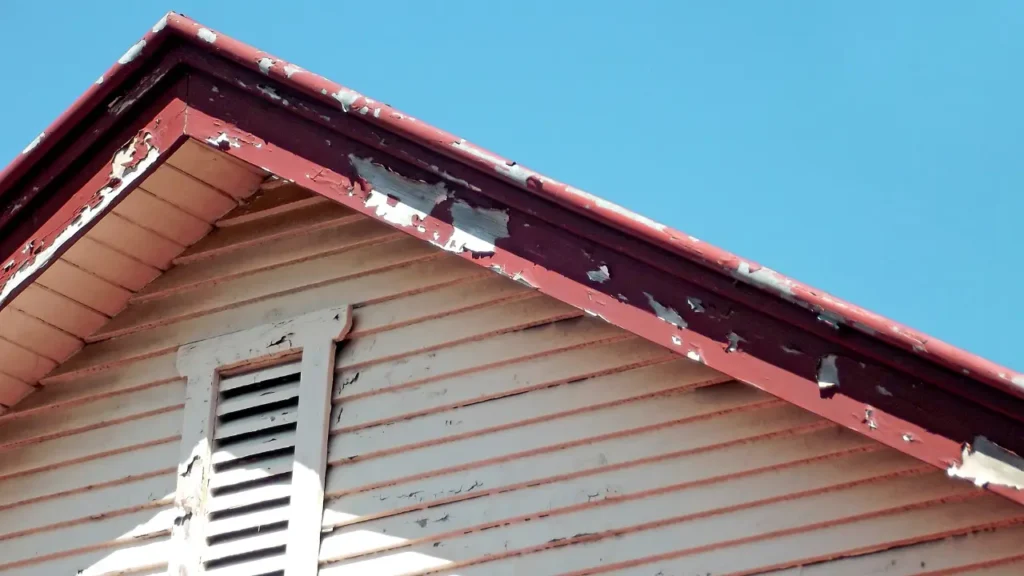
Many homeowners begin renovation projects without realizing that older materials may contain asbestos. The risks associated with asbestos in older homes remain significant because these materials were widely installed in properties built before 1980. When disturbed during remodeling, asbestos fibers can become airborne and lead to serious long term health conditions. Understanding where asbestos hides and how exposure happens helps families and renovation crews stay safe.
If you believe asbestos is present or you have concerns about past exposure, learning your legal rights can be helpful. You can begin by exploring asbestos lawyers and legal help to understand what options may be available.
Why Asbestos Is Still Found in Older Homes

Asbestos was once considered a miracle ingredient because it offered strength, fire resistance, and affordability. It was used in thousands of building materials, many of which still remain in aging structures. While regulations reduced its use, asbestos was never fully banned in the United States. This explains why hazardous materials continue to appear in renovation projects across the country.
Common asbestos containing materials include:
- Popcorn ceilings and textured surface coatings
- Vinyl floor tiles and black mastic adhesive
- Cement siding, roofing shingles, and underlayment
- Drywall joint compound and plaster patching products
- Pipe insulation, boiler wrap, and attic insulation
As these materials age, they can become brittle and easier to disturb. A simple sanding, cutting, or demolition activity can release harmful fibers into the air.
How Hidden Asbestos Hazards Become Airborne
Asbestos exposure occurs when materials are damaged or disturbed. Renovation activities often create the exact conditions that allow microscopic fibers to break loose. Because the particles are too small to see, people can inhale asbestos without realizing it. The danger is made worse by the fact that asbestos related diseases can take decades to appear.
Remodeling tasks that increase risk include:
- Removing old flooring or scraping adhesives
- Cutting into walls for wiring, plumbing, or windows
- Sanding textured ceilings
- Replacing roofing or siding materials
- Opening sealed attic or crawl spaces
“There is no known safe level of asbestos exposure” according to the Environmental Protection Agency. Environmental Protection Agency
Where Asbestos Is Most Commonly Hidden
Many homeowners are surprised to learn how often asbestos appears in unexpected places. The following areas often contain hidden asbestos hazards that can go undetected for decades.
1. Floor Tiles and Adhesives
Older vinyl tiles and the black glue beneath them frequently contain asbestos. These products were durable and inexpensive, so they were used widely in mid century construction. Removing or sanding old flooring can release large quantities of airborne fibers.
2. Ceilings and Wall Textures
Popcorn ceilings, stipple coatings, and some plasters used asbestos for thickening and durability. Disturbing ceilings while installing lighting, repairing leaks, or scraping texture can create high exposure levels.
3. Exterior Materials
Asbestos cement siding and roofing products performed well in harsh weather, so they were common in residential construction. As these products age and crack, even routine maintenance can create exposure risks.
4. Insulation and Heating Systems
Many heating systems installed before 1980 used asbestos for heat resistance. Pipe insulation, boiler coverings, gaskets, and ducts may contain asbestos or be contaminated from earlier repairs.
Why Testing Is Important Before Renovating
Because asbestos cannot be identified by sight alone, professional testing is recommended before beginning any major renovation on an older home. A certified inspector can collect samples safely and determine which materials contain asbestos. Homeowners should avoid disturbing suspected materials before testing, since even minor handling can release fibers.
The National Cancer Institute provides guidance on how asbestos exposure occurs and why testing is important. You can learn more at the NCI asbestos information page.
How Homeowners Can Reduce Their Risk
The safest approach is to assume that older materials may contain asbestos until a qualified professional confirms otherwise. Homeowners should stop renovation work immediately if suspicious materials are discovered. Only trained abatement workers should remove or repair asbestos containing products.
Safe Renovation Recommendations
- Avoid sanding or cutting into older building materials
- Limit dust producing activities until testing is complete
- Keep children and pets away from renovation areas
- Seal off work zones with plastic sheeting to prevent fiber spread
- Use licensed asbestos abatement contractors for removal
Proper precautions reduce the chance of airborne fibers and help protect everyone living or working in the home.
Understanding Your Legal Rights After Exposure

Exposure to asbestos in older homes can occur through DIY projects, contractor work, or previous contamination that went unnoticed for years. Individuals diagnosed with asbestos related diseases may have legal options if manufacturers failed to warn consumers about the dangers. In some cases, compensation may be available through asbestos trust funds or legal claims.
Homeowners who want to understand whether past exposure may qualify for compensation can find additional information about asbestos health risks from the U.S. Centers for Disease Control and Prevention (CDC)
Frequently Asked Questions About Asbestos in Older Homes
How can I tell if my home contains asbestos?
There is no way to identify asbestos visually. Only laboratory testing can confirm whether a material contains asbestos. Homes built before 1980 are more likely to contain asbestos, especially in flooring, ceiling textures, and insulation.
Is asbestos dangerous if it is not disturbed?
Asbestos is generally considered low risk if the material is intact and undamaged. The danger increases significantly when materials crumble, break, or are disturbed during renovations.
Can I remove asbestos myself?
Self removal is not recommended. Disturbing asbestos without proper safety procedures can cause significant exposure. Licensed abatement professionals are trained to remove the material safely.
What should I do if I think I was exposed?
Individuals concerned about exposure should speak with a medical professional and consider documenting when and how the exposure occurred. Learning about legal rights may also be important if illness develops in the future.
Why is asbestos in older homes still a concern today?
Millions of older homes still contain materials that were installed decades ago. As these homes age, the likelihood of deterioration increases. Renovation trends and DIY projects have also increased potential exposure for homeowners.
For more information about legal options and asbestos exposure, connect with the Mesothelioma Lawyer Center.
Asbestos Fact: The Agency for Toxic Substances and Disease Registry estimates that more than 27 million workers were exposed to asbestos between 1940 and 1979.
Legal Disclaimer
The information provided is for educational and informational purposes only. The information on this website is not intended as legal advice and should not be used as a substitute for consulting a licensed attorney. Legal outcomes and laws can vary by jurisdiction, and only a qualified lawyer can provide guidance tailored to your situation.


FREE Financial Compensation Packet
- Info on law firms that will recover your HIGHEST COMPENSATION
- Learn how to get paid in 90 days
- File for your share of $30 billion in trust funds