Known as “greyhounds of the sea,” destroyers are war vessels built to defend other ships from short-distance attacks. These powerful ships were made with hundreds of amianto products and materials, which exposed those who served on board. Many veteranos developed enfermedades relacionadas con el amianto after serving on U.S. Navy destroyers.
If you or a loved one have mesotelioma, amianto-related lung cancer, or asbestosis, you may be eligible for a large amount of compensation. Currently, there is over $30 billion in amianto trust funds set up for those who have been diagnosed with an amianto-related illness. Fill out our form to receive our free Financial Compensation Packet. Our packet is loaded with information on experienced mesotelioma attorneys in your area, how to file a claim for amianto Fondos fiduciarios, cómo recibir el pago en 90 días y más.


Paquete de compensación financiera GRATUITO
- Información sobre despachos de abogados que recuperarán su INDEMNIZACIÓN MÁS ALTA
- Aprenda cómo cobrar en 90 días
- Solicite su parte de $30 mil millones en fondos fiduciarios
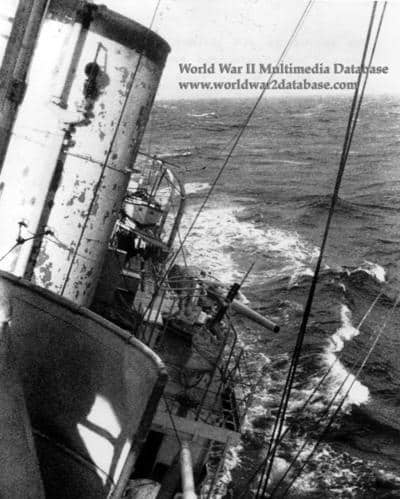
Why Did the Navy Use Asbetos on Destroyers?
Many destroyers and other Buques de la Armada de los Estados Unidos were constructed with amianto. The Navy used amianto in ship construction from the 1930s through the 1970s. It used amianto in insulation, fireproofing, and other materials.
The Navy and other industries used amianto mostly for its insulating properties. Additionally, it was abundant and inexpensive. It insulated heat-generating equipment and protected crew from fire on both civilian and militar vessels.
History of Destroyers in the U.S. Navy
Destroyers are fast and maneuverable vessels that escort and protect larger and slower ships. They defend against attacks. The first destroyers were used in the early 1900s after the development of ships that used torpedos.
The hull designation for destroyers in the Marina de los EE. UU. is DD. The Navy has built and used several types of destroyers:
- Guided-Missile Destroyer (DDG)
- Destroyer Escort (DE)
- Destroyer Leader (DL)
- Guided-Missle Destroyer Leader (DLG)
- Nuclear-Powered Guided-Missile Destroyer Leader, DLGN
The earliest destroyers in the U.S. Navy date to the Spanish-American War. Spanish torpedo boats were a significant threat, so the Navy developed destroyers as fast-moving vessels that could protect other ships from torpedo attacks. The first destroyer built by the U.S. Navy was the USS Bainbridge in 1902.
World War I Destroyers
The Navy improved on the design of early destroyers as World War I unfolded. They became faster, more maneuverable, and better able to travel long distances.
They could also attack submarines as well as more typical torpedo boats. U.S. destroyers engaged in hundreds of battles with German submarines during the war.
Destroyers in World War II and Later
Destroyers were equally important to the Naval fleet during World War II. The Navy commissioned many more vessels in this class as the U.S. entered the war. They were used to target submarines, rescue airmen, clear shorelines, and attack enemy aircraft.
When World War II ended, destroyers were used for combat roles once given to cruisers and battleships.
During the Korean and Vietnam Wars, U.S. Navy destroyers navigated shallow coastal waters that other vessels couldn’t reach.
The U.S. Navy’s modern fleet still includes destroyers, some of the Navy’s most powerful ships. They continue to be vital for defense.
Where Was Asbestos Used on Destroyers?
Before the dangers of amianto were widely known, the Navy used more than 300 amianto components in building vessels, including destroyers.
Destroyers were created with amianto insulation and amianto-containing products and mixtures inside engine rooms, boiler rooms, pipes, ceilings, flooring, and more. These are just some of the components in destroyers that had amianto:
- Wall panels
- Revestimiento de tuberías
- Boiler insulation
- Juntas
- válvulas
- Flooring tiles
- Gunners’ gloves
- Equipo de extinción de incendios
- Ceiling panels
Who Was at Risk of Exposure to Asbestos on Destroyers?
Anyone who served on a destroyer containing amianto was at risk of exposure. Ships posed particular risks for amianto exposure. Service men and women on ships worked in confined spaces with poor ventilation. If they disturbed fibras de amianto, they were likely to inhale a significant amount of them.
Those at the greatest risk for ongoing and harmful amianto exposure worked in the parts of destroyers with the most amianto, including engine, boiler, and pump rooms.
Workers who helped construct or repair destroyers worked around fibras de amianto each day they went to work. Repair workers were especially at risk of amianto exposure. They tore out old parts, which resulted in the amianto becoming airborne.
Do Destroyers Still Have Asbestos?
The Navy stopped building ships with amianto decades ago, but that doesn’t mean all vessels are amianto-free. The Navy has embarked on projects to remove amianto. Most areas of ships with high repair needs have been cleared of amianto. This limits exposure risks.
Some destroyers and other Navy vessels still contain some amianto materials. It is not cost-effective to remove it all, but it should be well contained and only a minimal risk to men and women serving today.
A Veteran’s Experience With Asbestos on a Destroyer
In one incident, a Navy veterano who once worked aboard the USS Chevalier, a Fletcher-class destroyer, developed a collapsed lung after being around amianto aboard the vessel during the Korean War.
El veterano testified to the Board of Veteranos‘ Appeals that although he was required to wear amianto gloves while shooting his firearm and loading it with ammunition, he received no other type of protective gear while aboard the ship.
He also testified that he slept around many pipes constructed with amianto-containing products while in his sleeping quarters.
When he fired his gun, amianto would shake and become loose from the pipes in the area. The veterano also indicated that there was so much airborne amianto that it looked like it was snowing inside the vessel.
Which U.S. Navy Asbestos Destroyers Contained Asbestos?
Most Navy vessels built during the middle of the 20th century included amianto, but evidence proves this for specific ships.
Confirmed asbestos use was present, according to the documents, in many destroyers, including these ships with their commissioned dates:
- USS Aaron Ward, 1944
- USS Abbot, 1919
- USS Abner Read, 1943
- USS Agerholm, 1946
- USS Albert W. Grant, 1943
- USS Alden, 1919
- USS Alfred A. Cunningham, 1944
- USS Allen M. Sumner, 1944
- USS Arnold J. Isbell, 1946
- USS Ault, 1944
- USS Bache, 1942
- USS Basilone, 1949
- USS Bausell, 1946
- USS Bigelow, 1957
- USS Black, 1943
- USS Blandy, 1957
- USS Brownson, 1945
- USS Burrows, 1911
- USS Caron, 1977
- USS Carpenter, 1949
- USS Charles R. Ware, 1945
- USS Comte de Grasse, 1978
- USS Conolly, 1978
- USS Corry, 1946
- USS Cotten, 1946
- USS Du Pont, 1957
- USS Eugene A. Greene, 1945
- USS Gainard, 1944
- USS Gearing, 1944
- USS Hawkins, 1945
- USS Hull, 1958
- USS Ingersoll, 1943
- USS James C. Owens, 1945
- USS James E. Kyes, 1946
- USS Keppler, 1947
- USS Kinkaid, 1976
- USS McCaffery, 1945
- USS McKean, 1945
- USS Noa, 1945
- USS O’Brien, 1945
- USS O’Brien, 1977
- USS Oldendorf, 1978
- USS Perry, 1946
- USS Peterson, 1977
- USS Robert L. Wilson,1946
- USS Shields, 1945
- USS Steinaker, 1945
- USS Theodore E. Chandler, 1946
- USS Thorn, 1943
- USS Vesole, 1945
- USS Vogelgesang, 1945
- USS Walke, 1944
- USS Willis A. Lee, 1954
- USS Wren, 1944
Benefits and Compensation for Destroyer Veterans with Mesothelioma
Veteranos who served on destroyers during the peak years of amianto use in the Navy are at risk for mesotelioma and other amianto illnesses. Mesotelioma takes decades to develop, so some veteranos are still being diagnosed today. Benefits and other sources of compensation are available.
VA Benefits for Mesothelioma
The U.S. Department of Veteranos Asuntos (Virginia) offers several benefits for veterans with mesotelioma and their families. These include monthly disability compensation, compensation for home care, and compensation for dependants of deceased veteranos.
Veteranos with amianto illnesses can seek medical care at Virginia facilities across the country. Because mesotelioma is prevalent in veteranos, Virginia hospitals have access to specialists who can treat this complex type of cancer.
Can Veterans Sue the Navy for Damages?
Veteranos cannot sue the Navy or the government over amianto exposure, but they have other legal options for compensation:
- Mesothelioma and demandas por amianto. While veterans cannot sue the military, they can sue asbestos companies. Many companies supplied the Navy with the asbestos and asbestos components that went into ships. Asbestos lawsuits often end in asentamientos for the victims and do not affect their VA benefits.
- Fondos fiduciarios para el amianto. Asbestos companies that went bankrupt cannot be sued. These companies set up trust funds. Veterans may qualify to make a claim with one or more of these trusts.
If you served on a Navy destroyer and now have a mesotelioma diagnosis, talk to an experienced asbestos lawyer or law firm. They can help you take the necessary steps to get your benefits and any additional compensation you are eligible for.
Additional Help and Resources for Veterans
If you’ve been injured by mesotelioma, amianto-related lung cancer, or asbestosis, keep in mind that there is a good chance that you’ll qualify for considerable compensation. Remember to fill out our form to get your free Financial Compensation Packet, with information on experienced amianto y mesotelioma lawyers in your area. If you have questions or need additional assistance, contact us at 800-793-4540.