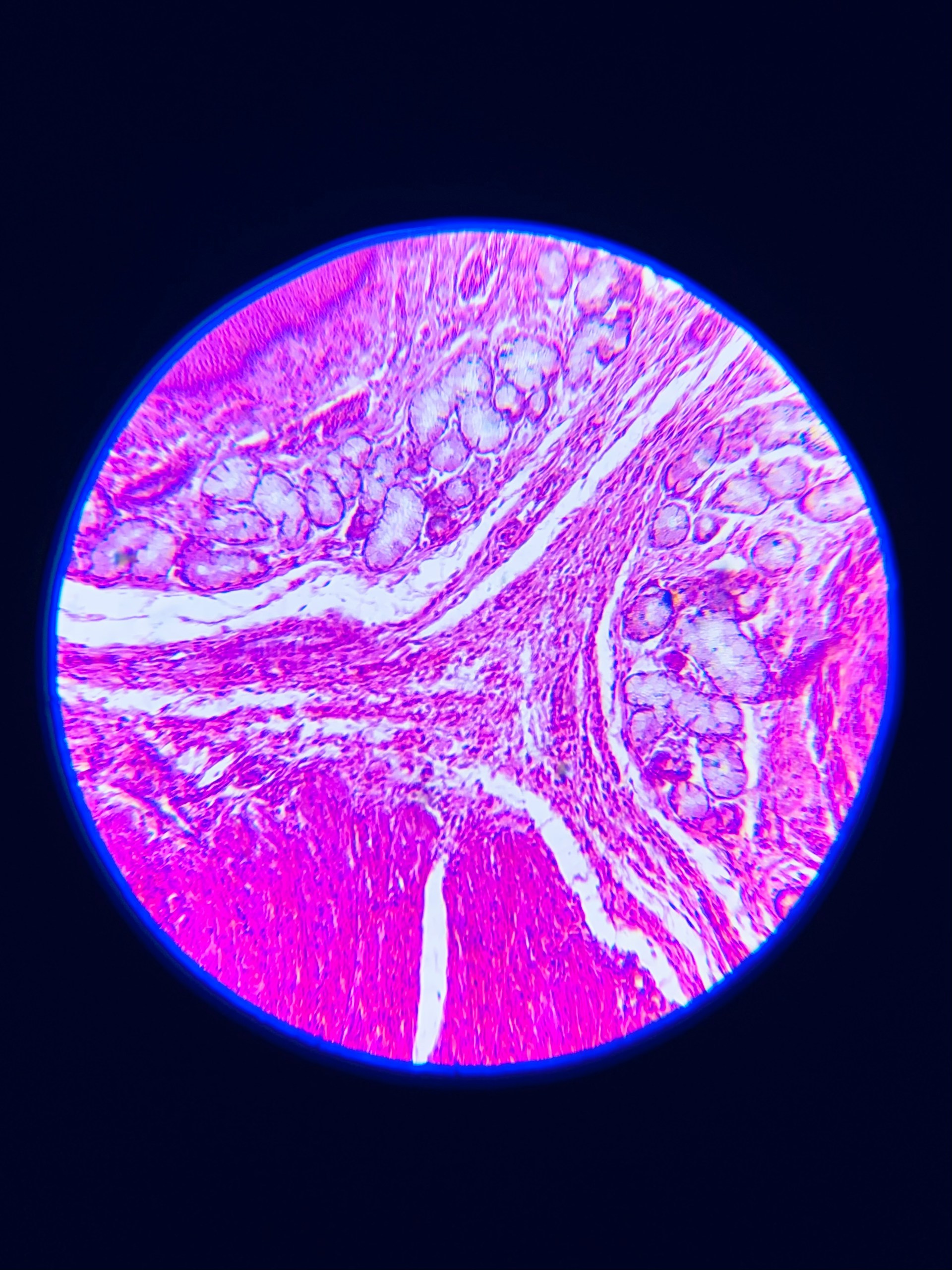
Epithelioid Mesothelioma is the most common and treatable histological subtype of mesotelioma maligno, a rare and aggressive cancer primarily caused by long-term asbestos exposure. It accounts for approximately 70% of all mesothelioma cases and originates from the epithelial cells lining the pleura (lungs), peritoneum (abdomen), pericardium (heart), or tunica vaginalis (testes).
Epithelioid mesothelioma is characterized by uniform, cube-like tumor cells that tend to form cohesive clusters, making it more responsive to conventional treatments such as surgery, chemotherapy, radiation therapy, and immunotherapy. Its slower growth rate y less invasive nature compared to biphasic or sarcomatoid mesothelioma often result in better prognoses and longer survival rates.
Diagnosis typically involves imaging (CT, MRI, PET scans) followed by a tissue biopsy, where pathologists identify the cell type using immunohistochemical markers such as calretinin, cytokeratin 5/6, and WT1. Accurate identification of the epithelioid subtype is critical for staging and treatment planning.
While it offers a better outlook than other mesothelioma types, epithelioid mesothelioma remains incurable, and early detection is key to improving patient outcomes.