Defective 3M Respirators Blamed for Weyerhaeuser Employees’ Mesothelioma

When Elvira Kilty and Herbert Spatz worked for the Weyerhaeuser Company’s door manufacturing plant in Marshfield, Wisconsin, they were issued 3M respirators to protect them against mesothelioma and other enfermedades relacionadas con el amianto. Years later both were diagnosed with the rare form of cancer and filed suit against 3M. Though the company attempted to have the case against them dismissed, a judge has allowed the case to move forward.
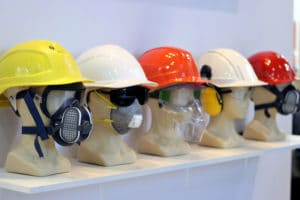
Defects in Respirators Meant to Protect Against Mesothelioma Were Hidden by 3M
Though attorneys for 3M argued against the mesothelioma victims’ accusations of negligence, Ms. Kilty and Mr. Spatz presented persuasive arguments showing why the company should be required to defend itself in front of a jury. The judge was particularly convinced by internal 3M documents written and received between 1972 and 1978 that revealed that they were aware that their respirators had failed to meet NIOSH (National Institute of Occupational Safety and Health) requirements for safety criteria.
Known Deficiencies May Have Led to Asbestos Inhalation by Mesothelioma Victims
Much of the information about the respirators’ ability to protect against mesotelioma was highly technical, but what the judge thought most concerning was the company’s failure to reveal the known defects to either NIOSH or the U.S. Bureau of Mines. Based upon the deficiencies cited within those internal documents, District Judge William M. Conley denied 3M Company’s motion for summary judgment and ruled that the question of negligence needed to be decided by a jury.
Though the question of liability still needs to be decided, Ms. Kilty and Mr. Spatz will have the opportunity to explain the conditions in their work environment, their need for adequate protection while working in a heavily asbestos-contaminated area of the door plant, and their misplaced reliance upon the defective equipment that they believe led to their fatal diagnosis.
This ruling highlights the heightened responsibility manufacturers bear when their products are marketed as protective safety equipment. Courts have made clear that when workers rely on respirators to shield them from known hazards like asbestos, undisclosed defects can form the basis for serious negligence claims. By allowing the case to proceed, the judge affirmed that internal knowledge of safety failures and a failure to warn regulators or users are issues a jury must evaluate. For mesothelioma victims, the decision reinforces that companies may be held accountable not only for exposure risks, but also for false assurances of protection.

Paquete de compensación financiera GRATUITO
- Información sobre despachos de abogados que recuperarán su INDEMNIZACIÓN MÁS ALTA
- Aprenda cómo cobrar en 90 días
- Solicite su parte de $30 mil millones en fondos fiduciarios